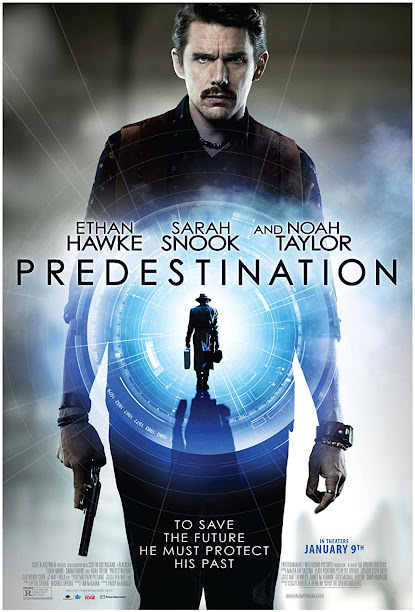
কিছু টেম্পোরাল এজেন্ট আছে যাদের কাজ হলো অপরাধ সংগঠিত হবার আগে টাইম ট্র্যাভেলের মাধ্যমে তা থামানো! এরা তাদের টাইম মেশিনের মাধ্যমে জিরো পয়েন্ট থেকে ৫৩ বছর পর্যন্ত সামনে বা পেছনে যেতে পারে। জিরো পয়েন্ট হলো ১৯৮১ সাল! টাইম মেশিন আবিস্কারের সাল! মুভিতে একজন দক্ষ টেম্পোরাল এজেন্ট, মার্চ ১৯৭৫ সালের একটি ভয়াবহ বোমা বিস্ফোরন থামানোর মিশন হাতে নিয়ে নামে, যে বিস্ফোরনটি ঘটিয়েছিলো ফিজল বম্বার নামে একজন সন্ত্রাসী। টাইম ট্র্যাভেলের মাধ্যমে এই বোমা হামলা থামানোর মিশনে ঘটে যায় বেশ কিছু অদ্ভুদ ঘটনা যার বেশিরভাগই মাথা ঘুরিয়ে দেয়ার জন্য যথেষ্ট। নিঃসন্দেহে এই মুভি যেকারোই মাথার উপর দিয়ে যাবে। কি হচ্ছে না হচ্ছে, তা বুঝার জন্য কমপক্ষে দুইবার এই মুভি দেখা আবশ্যক। 🎬Predestination(2014) 💡IMDB: 7.4/10 💡Rotten Tomatos: 84% 💡My Rating: 8/10
Disturbing movie🚫 শহর থেকে দূরে জনমানবশূন্য এলাকা। যতদূর চোখ যায় সবুজ জঙ্গল-ডোবায় ভরপুর। মানুষের চিহ্ন নেই। একটি মাত্র দ্বিতল ভবন।" - এমন উপমা দিলে চোখের সামনে ভেসে ওঠে ভৌতিক কোনো বাড়ির প্রতিচ্ছবি। ওসব বাড়িতে কেউ যেতে চাইবে না। বিনা দাওয়াতে তো নয়ই, এমনকি নিমন্ত্রণ দিলেও নয়। এমন একটি বাড়ির সামনে এসে মোটরবাইক থামান এক ভদ্রলোক। পিপাসা পেয়েছে তার। কিন্তু বোতলের পানি শেষ। আরও একটি কারণ ছিল দাঁড়ানোর। বাড়ির ভেতর থেকে ভেসে আসছিল নবজাতকের কান্না, প্রসব বেদনায় কাতর মায়ের চিৎকার। শুরুতেই সকলকে একটা ধাক্কা মেরে পরিচালক চলে আসেন আনুজা নামক চাকরিজীবী নারীর কাছে, যিনি এক সরকারি স্কুলের শিক্ষিকা। মাঝবয়সী, অবিবাহিত নারী। বিয়ে ঠিক হয়ে আছে। হবু স্বামী চায় না তিনি চাকরি করুক। ওদিকে আনুজা চান নিজের পায়ে দাঁড়াতে। পরের দৃশ্যে সহকর্মী নেহাকে নিয়ে আনুজা বের হয় আদমশুমারি করতে। তালিকায় সবার শেষে থাকা বাড়ির অবস্থান সমন্ধে খাতায় ঠিকঠাক তথ্য নেই। আনুজার স্কুটারে চড়ে দুজন বেরিয়ে পড়ে অনুসন্ধানে। একসময় পেয়েও যায়। জনমানবহীন ওই বাড়িতে যেতে নেহার মন সায় দেয় না। আনুজা ভাবে- একবার যখন এলাম, একটা মাত্র বাড়ি বাকি; শে...



Comments
Post a Comment